The 2026 Ultimate Guide to High-Security Hologram Stickers
Introduction: The Rising Cost of Counterfeiting
In the globalized market of 2026, counterfeiting is no longer just a minor nuisance; it is a multi-billion dollar criminal industry that can destroy a brand’s reputation overnight. For manufacturers and exporters, a high-security hologram sticker is the first and most vital line of defense. But what exactly makes a hologram "high-security"? It goes far beyond a shiny sticker, involving complex physical and digital layers of protection.
1. Physical Defense: Tamper Evident Technology
The most common attack by counterfeiters is "label switching"—peeling a genuine label from one product and placing it on a fake. This is where tamper evident technology becomes indispensable for brand owners.

Our specialized materials are engineered with a fragile adhesive layer. When anyone attempts to remove the label, the structure breaks, leaving a permanent "VOID," "OPENED," or customized brand pattern on the surface. This mechanical destruction ensures that once a label is applied, it cannot be transferred, protecting the integrity of your packaging throughout the logistics chain.
2. Visual Trust: Optically Variable Devices (OVD)
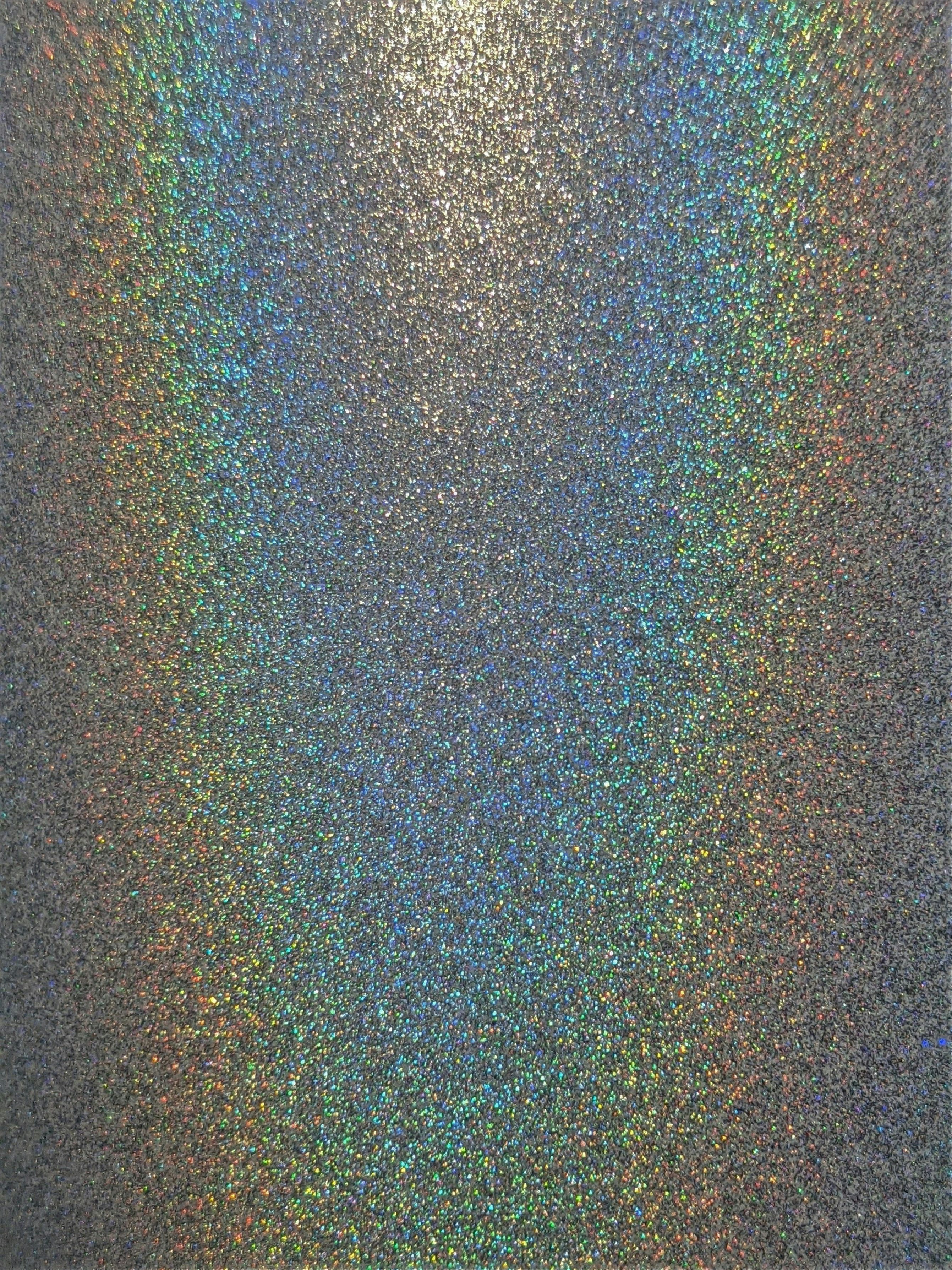
To the untrained eye, any iridescent surface might look like a hologram. However, professional Optically Variable Labels use sophisticated laser-etched gratings to create dynamic visual effects that are impossible to replicate with standard industrial scanners or high-resolution photocopiers.
Key features of our OVD technology include:
- 3D Depth Effects: Images that appear to sit deep within the label layers.
- Kinetic Movement: Patterns that rotate or expand when the label is tilted.
- Color Shifting: Sharp transitions between distinct colors that provide instant "Visual Trust" for consumers.
3. Covert Security: Micro-Text & Nano-Graphics
For high-stakes products like Tax Labels or Security Certificates, we add features that are invisible to the naked eye. This is where high-precision security printing excels.

Micro-Text involves printing characters less than 0.1mm in size. To a counterfeiter, it looks like a solid decorative line. However, customs officials or brand inspectors can verify the product instantly with a 10x magnifying glass, revealing unique serial numbers or hidden brand identifiers. This level of detail requires specialized industrial equipment that most counterfeiters simply do not possess.
4. Digital Integration: The "Phygital" Future (QR & RFID Labels)
The most significant trend in 2026 is the convergence of physical and digital security. By integrating RFID labels or encrypted QR codes into a holographic base, we create a "Phygital" (Physical + Digital) security bridge.

When a customer scans the unique code on the hologram sticker, they are directed to a secure server to verify the individual item’s manufacturing date, batch number, and authenticity. This provides a "Track and Trace" capability that traditional labels cannot provide, giving brand owners real-time data on where their products are being scanned globally.
5. Durability in Global Trade (0110 & 9610)
Whether you are exporting via General Trade (0110) or Cross-Border E-commerce (9610), your labels must withstand harsh environments. Our security labels are resistant to moisture, UV exposure, and extreme temperature fluctuations, ensuring your brand protection remains intact from the factory floor to the customer’s doorstep.
Conclusion: Choosing the Right Protection
Brand security is an investment in your company’s future. Choosing a professional security printing solution is about more than just aesthetics; it is about building a wall of trust around your business. At HoloVerify, we provide the technical depth and industrial expertise needed to stay one step ahead of counterfeiters.